Oracle's Acquisition of TikTok: What it Means for the Future
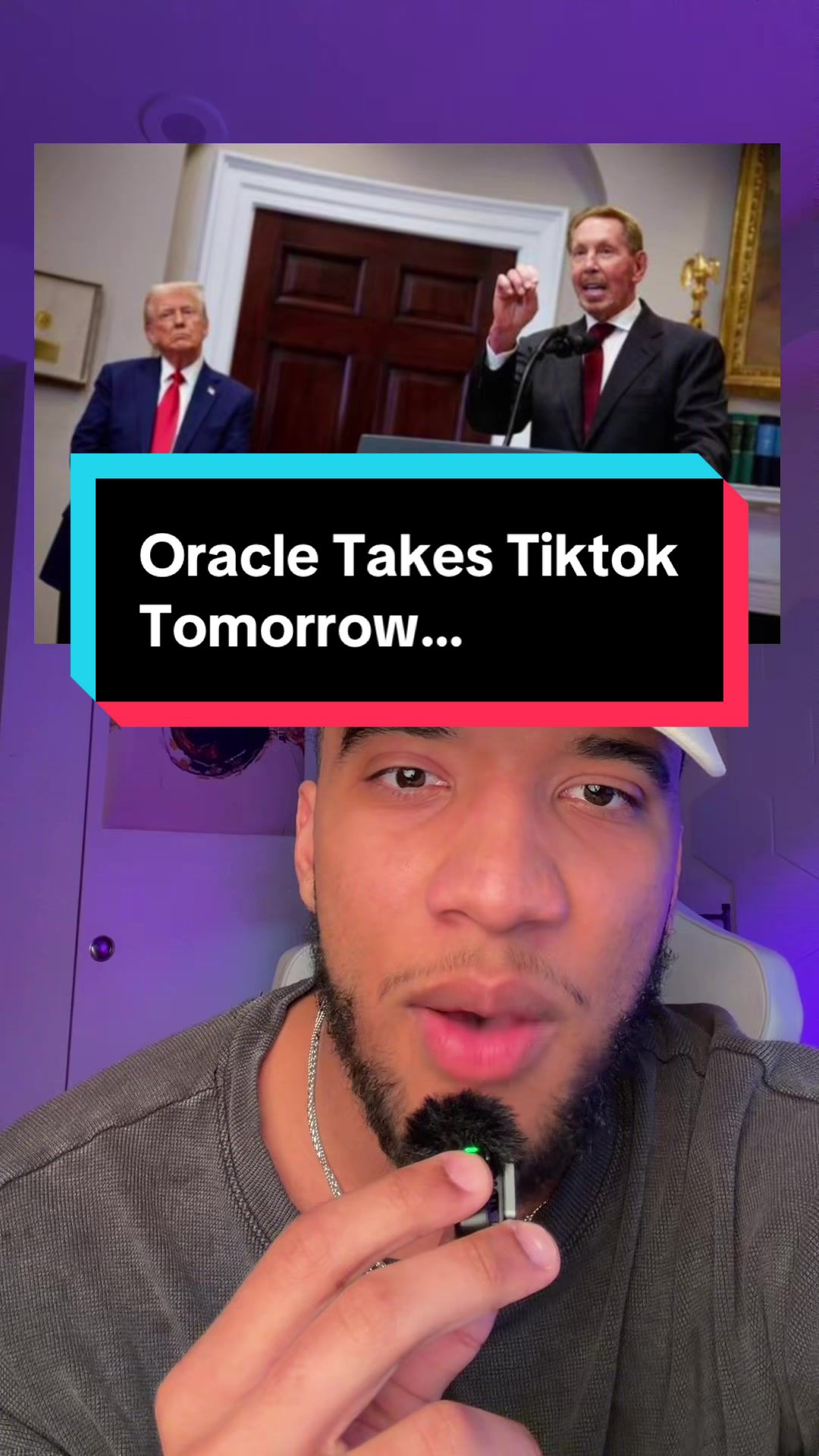
After months of speculation and behind-the-scenes negotiations, what was once only a rumor in the tech world is now official: TikTok’s U.S. operations are being taken over by a group of American investors led by Oracle. This deal aims to reshape how the viral video platform operates in one of its largest markets and comes at the end of a protracted battle between regulators, geopolitical pressure, and Silicon Valley interests.
The TikTok post shared in the link captures a moment of excitement and curiosity about this surprise shift. The creator frames the Oracle purchase as a turning point, especially after Microsoft was earlier rumored to be a frontrunner in talks over the social app’s future.
At the heart of the story is a major restructuring of TikTok’s U.S. business. ByteDance, TikTok’s Chinese parent company, has agreed to transfer control of the American division to a new joint venture called TikTok USDS Joint Venture LLC. This entity will be majority-owned by U.S. investors—Oracle, Silver Lake, and MGX—each holding meaningful stakes and taking responsibility for data hosting, security, and governance under U.S. law.
This deal is blowing up because it represents both a business milestone and a cultural flashpoint. TikTok is not just another app; it is a cultural force with millions of daily users. Putting it under the wing of an enterprise-focused company like Oracle challenges assumptions about who gets to shape social media experiences and how global platforms align with national policy.
Reactions online run the gamut. Supporters are framing the move as a win for U.S. digital sovereignty and data security, celebrating a significant American presence in a platform once viewed as a strategic liability. Detractors argue the change may compromise TikTok’s creative and community culture or worry it won’t meaningfully change anything, given ByteDance still retains a minority stake. Meanwhile, some are simply baffled by the complexity of the deal, confused over what will actually change for everyday users.
There are several distinct viewpoints shaping the broader discussion. One sees the acquisition as a necessary step to keep TikTok alive in the U.S., preserving a platform integral to creator economies. Another argues that involving a corporate giant like Oracle could stifle the spontaneity and grassroots nature of social content. A third perspective suggests that this is a geopolitical compromise, balancing national security concerns with economic interests. Yet another view criticizes the arrangement for not fully divesting ByteDance, suggesting that true independence from foreign influence was never fully achieved.
In the larger picture, this transition highlights how social media has become entangled with global politics, regulatory priorities, and national identity. The Oracle-led deal underscores the tension between free cultural exchange on the internet and the priorities of governments and corporate power structures seeking control over data and narrative influence.
The bottom line is simple: TikTok’s ownership and operational control in the U.S. have changed in a way that will be studied and debated long after the headlines fade. What’s worth watching next are the early actions of the new joint venture—how data security is implemented, how content moderation is managed, and how the platform evolves under its new structure.